Pit Flood Alarm vs. Pit Flood Protection
Pit Flood Alarm vs. Pit Flood Protection

💧 𝗙𝗹𝗼𝗼𝗱𝗲𝗱 𝗘𝗹𝗲𝘃𝗮𝘁𝗼𝗿 𝗣𝗶𝘁𝘀: 𝗔𝗹𝗮𝗿𝗺 𝘃𝘀. 𝗣𝗿𝗼𝘁𝗲𝗰𝘁𝗶𝗼𝗻 🛗⚠️
Let’s clear up a common point of confusion:
What’s the difference between a pit flood alarm and a pit flood protection system?
Not all elevator flood detection solutions are created equal, especially when it comes to safety and liability.
𝗣𝗶𝘁 𝗙𝗹𝗼𝗼𝗱 𝗔𝗹𝗮𝗿𝗺𝘀
These are like a smoke detector for water:
➡️ They sense rising water
➡️ They flash a light or sound a buzzer
➡️ And… that’s it.
The elevator keeps running. Passengers may still enter.
Alarms are helpful, but only if someone notices and acts quickly — a risky assumption in a busy building.
𝗣𝗶𝘁 𝗙𝗹𝗼𝗼𝗱 𝗣𝗿𝗼𝘁𝗲𝗰𝘁𝗶𝗼𝗻 𝗦𝘆𝘀𝘁𝗲𝗺𝘀
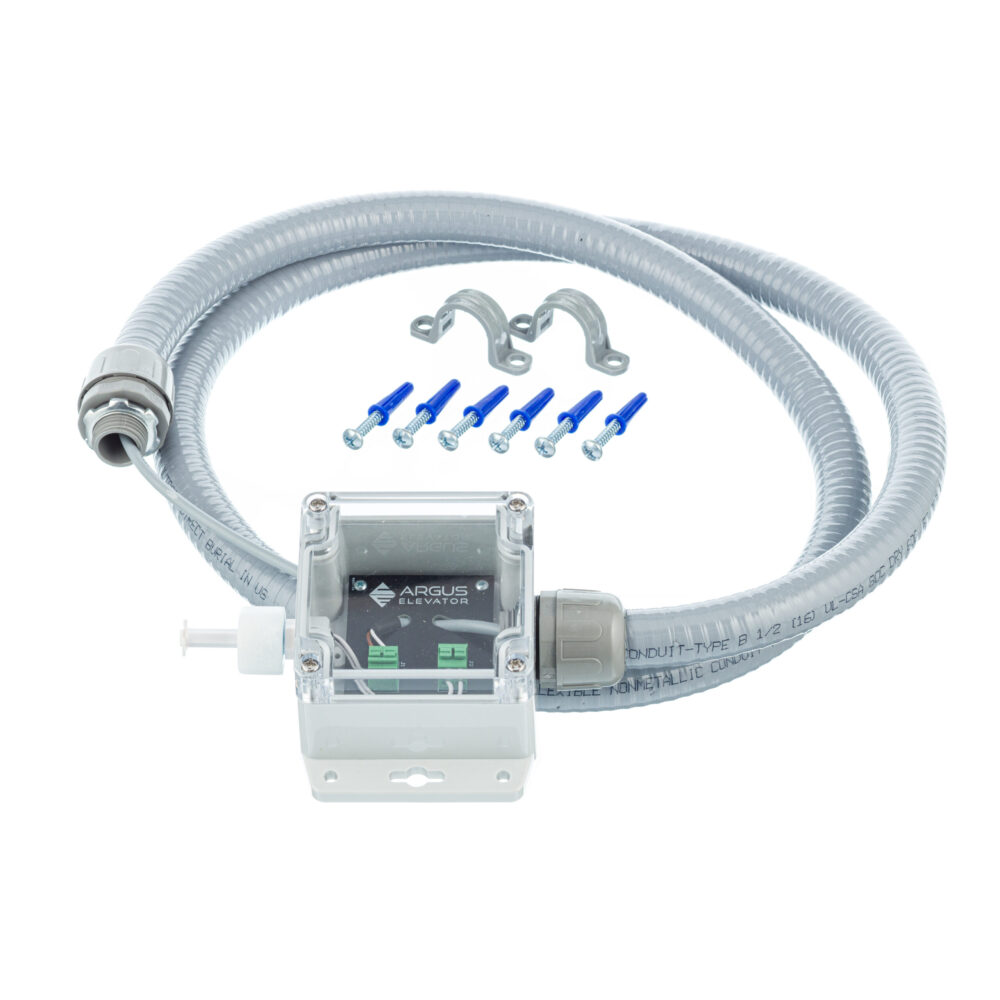
These combine a pit-mounted switch with a controller overlay to deliver active protection:
✅ Detect water
✅ Sound an alarm
✅ Send the elevator to a safe floor
✅ Allow passengers to exit
✅ Then automatically take the elevator out of service
This kind of proactive response helps:
• Prevent cars from descending into flood water
• Protect critical electrical components
• Avoid tens of thousands in damage
• Reduce liability exposure
• Maintain NFIP flood insurance eligibility
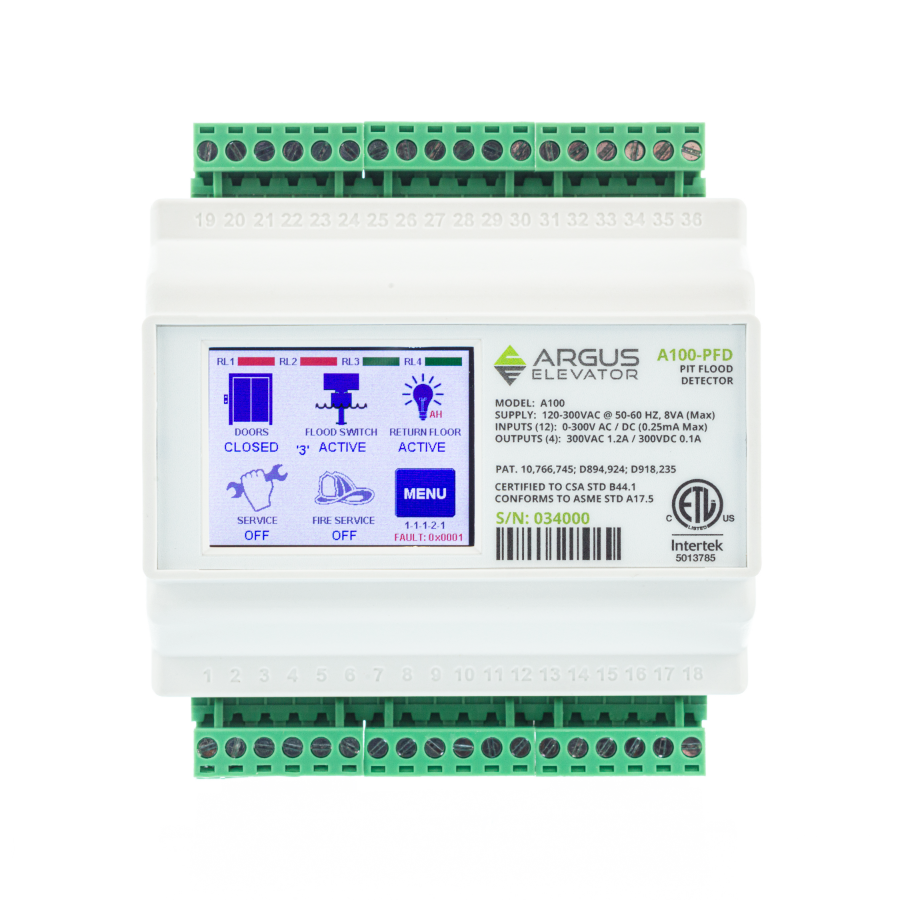
🏙️ Some cities, like Houston, are starting to require this level of protection for existing elevators in flood-prone areas. But even where it’s not yet code, the Argus Elevator A100-PFD offers a smart, proven solution that’s already protecting elevators nationwide.
If you’re responsible for elevator safety or just want to avoid a five-figure repair, let’s talk.