Where Should I Park My Elevator before Hurricanes?
Where Should I Park My Elevator before Hurricanes?

Where Should I Park My Elevator before Hurricanes? 🌀
You’d be forgiven for being confused about where your elevator should be parked in the event of an incoming hurricane or tropical storm. Searching the top 6 results produces a wide range of seemingly conflicting advice:
1️⃣“Move all elevators to the top floor of the hoistway and remove from service.”
2️⃣“Park all elevators near the center of the hoistway.”
3️⃣“In multi-story buildings, run the elevator car to the top floor.”
4️⃣“Park the Elevator at the Highest Landing”
5️⃣“Move all the elevators near the center or top of the hoistway to reduce damage from pit flooding.”
6️⃣“Park elevators correctly: Hydraulic elevators should be parked at the top floor to keep the cab above any potential flooding in the shaft. Traction elevators should be parked just below the top landing to protect both the elevator cab and counterweights”
The first five recommendations differ because some focus on hydraulic elevators, some on traction elevators, and others offer a compromise approach — all without explicitly stating it. Point 6 is the most complete. Hydraulic elevators, with no counterweight, can be moved to the top floor, the least likely to flood. Traction elevators require careful positioning to keep both the car and counterweight out of water, with priority on the car, and are typically parked a story or two below the top.
Exception: elevators exposed to the outside (like parking garages). Advice often says: “Position elevators at the top floor if your building has elevator entrances open to the weather.” This reduces the chance of water damage.
In all cases, once the elevator has been moved, it is also manually disabled by removing power.
Manual vs Automatic Preparation ⚠️
Manual preparation works when you have warning. But what about little or no warning, such as a burst pipe or a fast-moving storm?
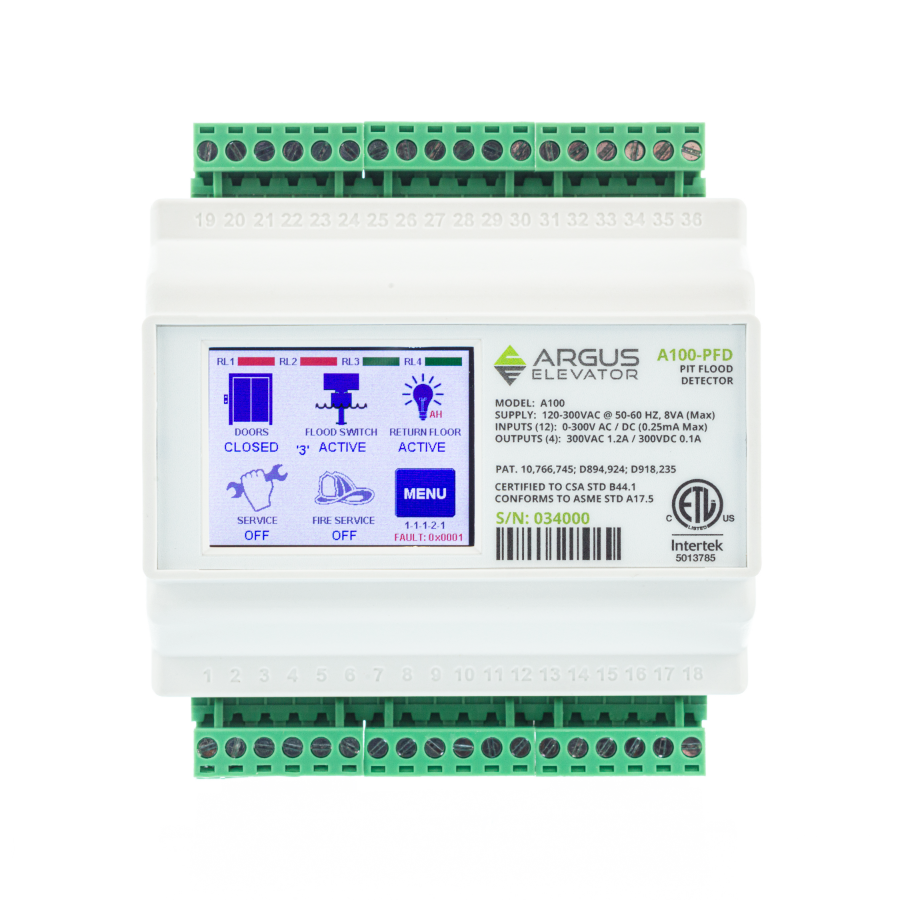
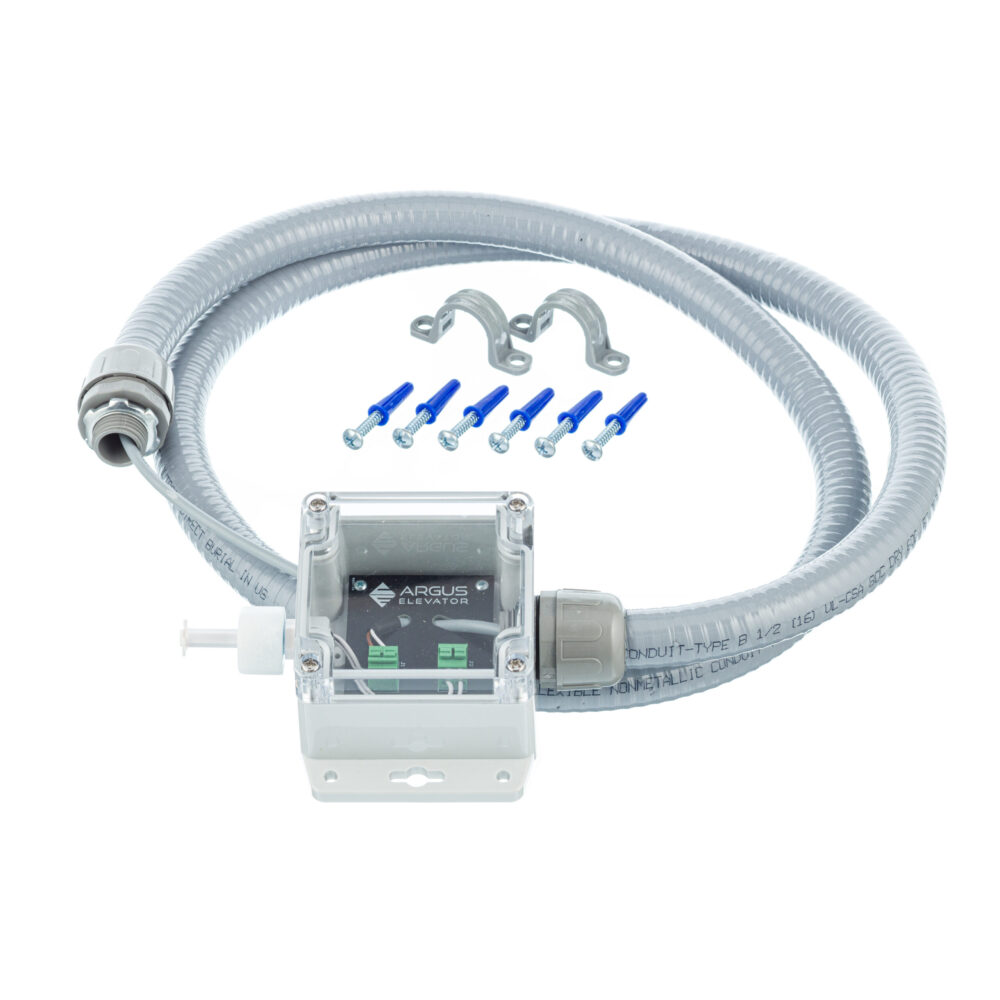
Automatic pit flood protection handles this. Instead of manually moving the elevator and disabling it, the controller (or overlay) does this automatically once water is detected.
📘 ASME A17.1 (new elevators):
“to proceed to the next available landing above the flood elevation or, in the case where there is no available landing above the flood elevation, the highest available landing”
📗 Houston 3003.4 (existing elevators):
“automatic removal of the elevator from service at a designated floor level approved by the fire code official”
Here, water has already been detected and may continue to rise. Priorities:
- Get passengers off quickly
- Protect the car
- Protect the counterweight
Stopping above the base flood elevation minimizes the chance that the car or counterweight ends up in water, which could jeopardize operation and safety.
✅ Takeaway:
Manual instructions help, but storms and flooding don’t always give warning. True protection comes from automatic pit flood detection and response, ensuring safety and minimizing damage.